
The Archetype of the Femme Fatale
The femme fatale is not a myth born of imagination. instead, heat, silence, and tradition shaped her. Though, beauty and danger have always lived close together, it is there where the femme fatale emerges; where those two forces meet.
History remembers her for her charm, her composure, and her ability to move unnoticed through social spaces built to underestimate her. Yet, beneath the surface, the femme fatale is defined more by her control and less by her seduction. She understands the rules of her world and thus knows exactly how to bend them. That knowledge does not make her innocent or oppressed. It makes her effective.
Southern culture has long wrapped womanhood in expectations of grace, obedience, and moral purity. The femme fatale violates those expectations quietly. She does not rebel loudly. She adapts, calculates, and waits. That is what makes her unsettling. It’s not her beauty, but rather her patience.
This archetype endures because it forces us to confront an uncomfortable truth: violence does not always announce itself. Sometimes it wears a pleasant voice, shows up as a helpful neighbor, but mostly, a woman everyone trusted.


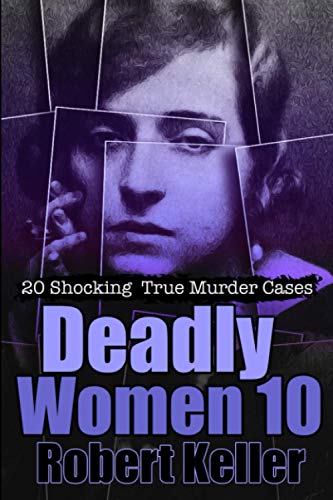

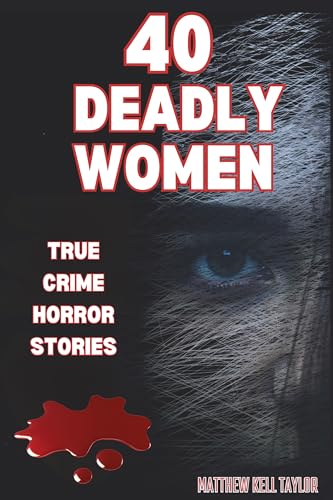
Southern Blood and The True Crime lense
True crime, at its best, rejects spectacle in favor of reckoning. Southern Blood begins there.
Rather than sensationalizing crimes or romanticizing their perpetrators, these books examine how certain women were able to move through communities without suspicion. They explain how appearances, manners, and long-held assumptions created blind spots. These stories are not about rebellion or empowerment. They are about access.
These books do not frame the women as symbols or metaphors. They present them as what they were: individuals who made deliberate choices and eventually caused real harm. Their environments matter—but they do not absolve. Context explains, however, it does not excuse.
These books focus on femme fatales through a true crime lens, dismantling the comforting fiction that violence is obvious or that evil looks a certain way. It asks readers to sit with the reality that some of the most devastating crimes unfolded slowly, quietly, and in plain sight.
the Dark pettern behind Femme Fatales
The stories of femme fatales reveal a recurring pattern: trust exploited over time. These women did not rely on brute force. They relied on credibility—earned through familiarity, social roles, and expectations of female harmlessness.
History offers no shortage of examples. The shock lies not only in the crime but in how long it went unnoticed. How many chances were given? How many warning signs were dismissed?
These women understood something essential about the societies they lived in that politeness could shield cruelty, and that silence could be weaponized. Their crimes were not impulsive eruptions but slow accumulations—decisions layered one on top of another. In the end the outcome was irreversible.
These books examine these patterns without dramatization, allowing the facts to speak. The result is often more disturbing than any fictional villain: a clear-eyed look at how ordinary settings can become sites of extraordinary harm.
why the femme fatale still matters
The femme fatale has not disappeared. She has simply changed clothes.
The books listed do not ask readers to admire these women. It asks them to understand the mechanisms that allowed these women to operate unchecked—and how easily those same mechanisms still function today